In Paris, the density of trees per inhabitant remains among the lowest in Western Europe, despite stated ambitions for greening. Most French urban regulations impose a minimum area of green spaces, without guaranteeing the diversity of species or ecological resilience.
In light of this observation, some local authorities refuse to be confined by traditional frameworks and opt for imaginative solutions: planting where, just yesterday, it was thought that only concrete would find its place. This bold choice disrupts the management of urban green heritage and shifts the lines of local strategies to address climate change.
Urban micro-forests: a living heritage to reinvent the city
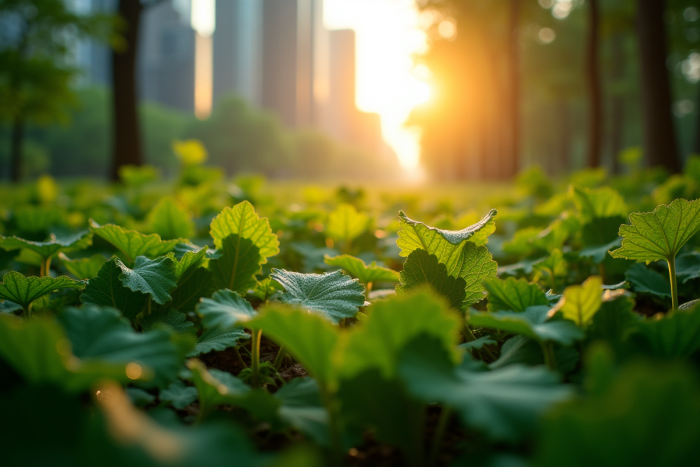
The rise of urban micro-forests is changing the game in our urban centers. On just a few hundred square meters, these tree planting projects densify vegetation, promote biodiversity, and limit the impact of urban heat islands. Inspired by the Miyawaki method, named after the Japanese botanist Akira Miyawaki, these compact forests focus on local species, accelerated growth, and natural robustness. The city then serves as a testing ground, and nature reclaims space in the urban fabric.
Concrete examples are multiplying: in Bordeaux, Lyon, and Toulouse, this model is increasingly appealing. Where wastelands or parking lots once spread, green spaces are emerging, providing refuge for fauna and flora. The immediate presence of these parks changes daily life: welcome shade, filtered air, and meeting spaces. In Montpellier, the Bois de Montmaur in Montpellier reflects the dialogue between tree heritage and urban innovation, as evidenced by the pages dedicated to its history on Voyage-sur-mesure.com.
Micro-forests are not just a publicity stunt. Their implementation relies on a precise selection of species, appropriate management, and direct involvement from residents. The National Forestry Office supports certain cities, ensuring the viability of these new types of natural spaces. Urban forests redefine the connection between city and nature, inviting us to rethink our relationship with the living world and this precious green heritage.
How everyone can contribute to growing biodiversity in their neighborhood
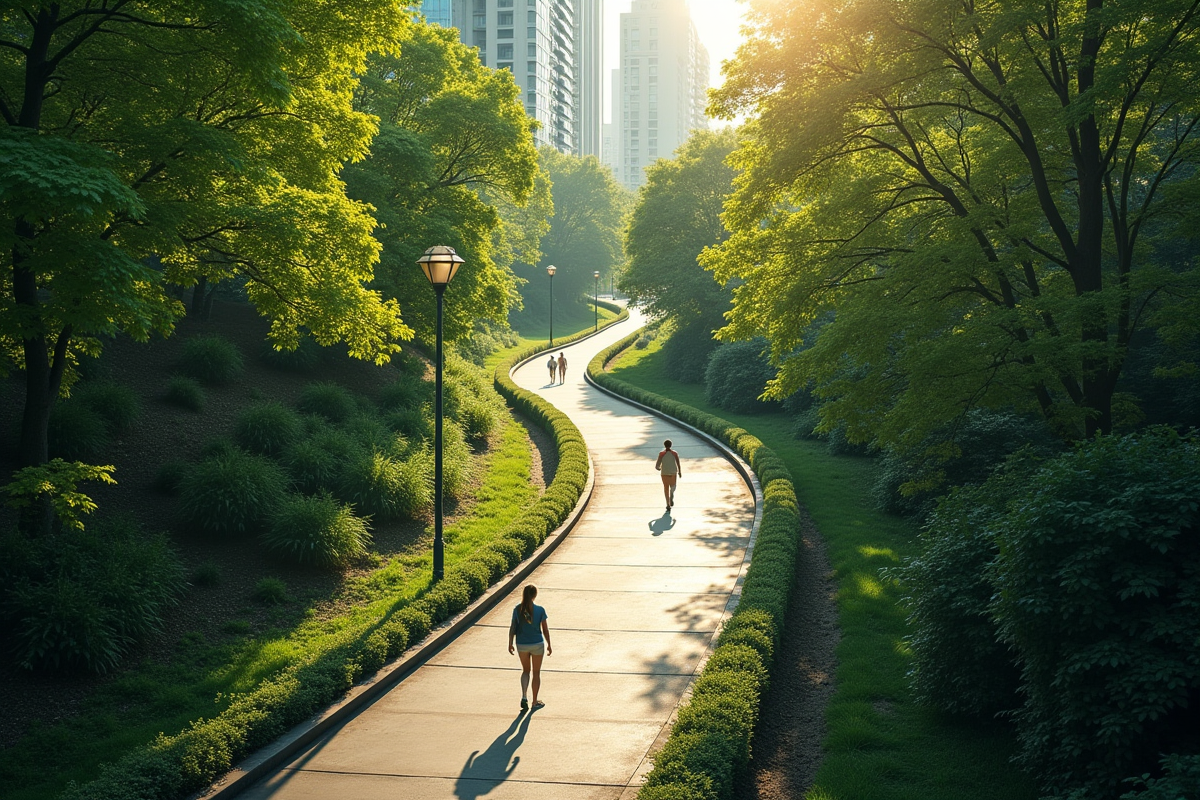
The involvement of citizens breathes life into urban forests. At the neighborhood level, collective mobilization gives rise to genuine green spaces and encourages biodiversity. Amateur gardeners, students, associations—everyone plays a part in the dynamic. Planting trees in schoolyards, transforming a vacant lot into an urban meadow, installing birdhouses: these are all actions to promote the presence of local species and the return of indigenous fauna and flora.
Differentiated management of natural environments is not reserved for large forests. Maintaining a community garden, selecting local species for planting, allowing wild areas to grow: these concrete actions have a real impact. Micro-forests take root thanks to everyone’s participation: every added tree, every preserved nook enhances the well-being of all and the quality of life for residents.
Here are some ways to actively participate in this dynamic:
- Support citizen projects for micro-forests and urban green spaces
- Favor native shrubs and trees suited to the local climate
- Participate in biodiversity awareness workshops with arborists or associations
This local commitment actively contributes to the reduction of urban heat islands and transforms the living environment. City dwellers become vital forces, bearers of concrete and sustainable solutions, ensuring the benefits that nature in the city can offer tomorrow.