An online service for seniors refers to any digital platform that replaces or complements a process that was once done in person: medical consultations, requests for financial aid, meal delivery, administrative management. These services cover very different needs, from home care to cognitive stimulation, and their usefulness primarily depends on the senior or their entourage’s ability to identify the right tool at the right time.
MaPrimeAdapt’ and online housing adaptation
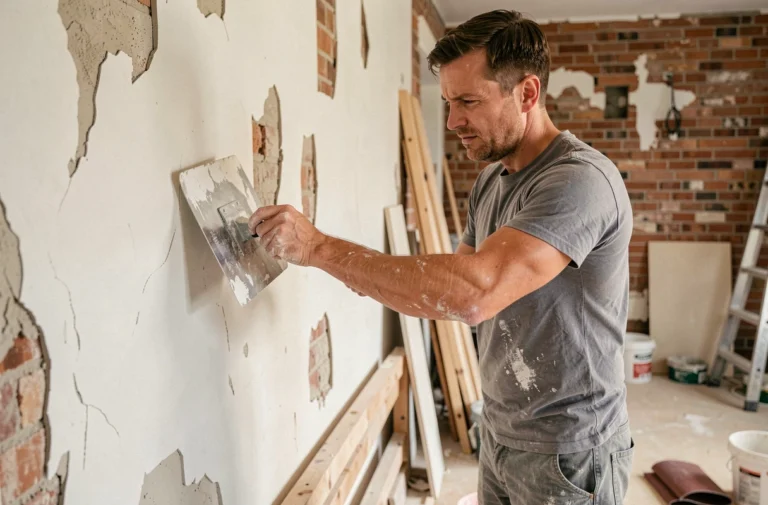
Housing adaptation is a direct lever for maintaining home care. Since 2024, the MaPrimeAdapt’ scheme centralizes aid to finance works such as the installation of a walk-in shower, grab bars, or a stairlift.
One point that public application guides do not mention: the online request is not enough. The intervention of a project management assistant is still mandatory to carry out the housing diagnosis, define priority works, gather quotes, and compile the file. Digital tools facilitate access to the form, but human support remains at the heart of the process.
Seniors aged 70 or older may be eligible for MaPrimeAdapt’ without having to demonstrate a loss of autonomy. This preventive aspect distinguishes the scheme from other aids that only intervene after a noticeable decline in health.
Since August 2026, the France Rénov’, MaPrimeRénov’, and Mon Projet Anah websites have merged into france-renov.gouv.fr. The old links present in some guides may therefore lead to outdated pages. Before any steps, it is useful to consult the services available on actuseniors.net to check for updated pathways and identify reliable platforms.

Teleconsultation and health monitoring for seniors
Teleconsultation has changed the relationship to care for people with reduced mobility or those far from a medical office. Platforms allow consultations with a general practitioner or specialist via video, obtaining a prescription, and sending it directly to a pharmacy.
For seniors, the main benefit lies in reducing travel. A consultation for a prescription renewal or a dermatological opinion no longer requires transportation, waiting in a waiting room, or an accompanying person.
Applications for medication reminders complement this health aspect. They send notifications at fixed times and allow a relative to check remotely that the treatment is being followed. Some include a history that can be consulted by the treating physician during the next appointment.
Criteria for choosing an online health service
- Compatibility with the Vitale card and third-party payment, to avoid the upfront costs that deter many seniors
- The size of the text and clarity of the interface, as a medical application that is unreadable on a small screen loses all its value
- The possibility for a family caregiver to manage the account remotely, particularly for making appointments and tracking prescriptions
Digital security and support for administrative procedures
The dematerialization of public services (taxes, Health Insurance, requests for social aid) poses a concrete problem: the digital divide affects those over 75 more. Knowing that a service exists online does not mean knowing how to use it.
Organizations such as France Services spaces or digital workshops in libraries offer free support. An advisor helps create an account, fill out an online form, or scan a document. These physical locations complement digital platforms and reduce the risk of errors in the files.
Security remains a major barrier. Phishing attempts frequently target seniors with fake emails imitating Health Insurance or tax authorities. A few reflexes can reduce the risk:
- Never click on a link received by email or SMS asking to “update” bank details
- Always check that the website address starts with the official domain (gouv.fr, ameli.fr) before entering an identifier
- Use a different password for each service, relying on a simplified password manager if necessary

Meal delivery and mobility services at home
Meal delivery at home existed long before digital platforms, but online services have expanded the offering. Some services provide menus adapted to specific diets (low-salt, modified texture, protein-enriched) with a weekly order in just a few clicks.
The choice of provider depends on the geographical area. In rural areas, options remain limited, and the municipal meal delivery service often remains the only reliable solution. In urban areas, several platforms coexist, allowing for comparisons of prices and nutritional quality of menus.
On the mobility side, accompanied transport services (vehicles with drivers trained to assist people with reduced autonomy) can now be booked online or via an app. These solutions cover medical trips, grocery shopping, or family visits. The cost varies depending on coverage by the APA or supplementary health insurance, hence the importance of checking one’s rights before booking.
Social connection and cognitive stimulation online
Social isolation exacerbates cognitive decline and loss of autonomy. Simplified videoconferencing platforms allow seniors to maintain regular visual contact with their loved ones, even without particular technical skills. Some interfaces intentionally limit themselves to two buttons (call, hang up) to eliminate any source of confusion.
Applications for cognitive stimulation offer memory, logic, or language exercises calibrated by level. Their effectiveness depends on the regularity of use. Daily use of a few minutes yields more benefits than a long and spaced-out session.
Expenses related to the tax credit for housing adaptation have evolved in 2026: households must examine their eligibility for current schemes, particularly through MaPrimeAdapt’. Digital tools simplify access to information, but each situation requires individual verification of rights, ideally with a trained professional or caregiver.